Radon in groundwater

Aine Mc Elhinney discovers that the threat radon poses to private water supply needs addressing to help prevent lung cancer deaths

Welcome to the archive of Construct Ireland, the award-winning Irish green building magazine which spawned Passive House Plus.
The feature articles in these archives span from 2003 to 2011, including case studies on hundreds of Irish sustainable buildings and dozens of investigative pieces on everything from green design and building methods, to the economic arguments for low energy construction.
While these articles appeared in an Irish publication, the vast majority of the content is relevant to our new audience in the UK and further afield. That said, readers from some regions should take care when reading some of the design advice - lots of south facing glazing in New Zealand may not be the wisest choice, for instance.
Dip in, and enjoy!
Aine Mc Elhinney discovers that the threat radon poses to private water supply needs addressing to help prevent lung cancer deaths
While the principles of low energy building apply equally for new build and upgrades, the reality is that htting passive levels becomes much trickier when retrofitting. The Passive House Institute have taken this on board and created a retrofit standard that is ambitious but achievable.

Lime-hemp is developing as a bio composite construction material with serious ecological and energy advantages. Patrick Daly, lecturer in Environmental Design at DIT Bolton St. asks if this is the environmental material of the future and explores its mainstreaming potential.
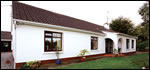
A sustainable energy project in north Tipperary has the potential to create a pioneering green community – buildings are getting energy makeovers, grants are available for renewables and the ecovillage at Cloughjordan is under construction. But getting householders in the area to go green is still proving a hard sell, as Lenny Antonelli reports
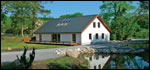
Imagine moving into a house without a heating system – what would you do? Contact the developer and demand they put one in immediately? Call a solicitor and sue the builder? Or sit back and enjoy living in a house, designed to meet your expectations of comfort without any recourse to a space heating system. Jason Walsh met the people behind Ireland’s drive toward the passive house.
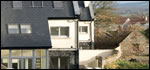
A new development in the historic town of Thomastown, County Kilkenny brings the cutting edge of green innovation into a setting known for its medieval heritage. John Hearne visited the site, where a commitment to the environment is evident in sustainable design combined with everything from airtight detailing to technologies such as factory insulated timber frame, low energy windows, solar thermal, photovoltaic and heat recovery ventilation
In light of Ireland’s poor performance in the recent European Environment Agency Report on drinking water quality, the issue of Ireland’s wastewater treatment from one off houses is poised to stay in the spotlight. Construct Ireland’s Pat Kennedy, environmental engineer, investigates.
Sustainable Energy Ireland was initially criticised by some quarters for the lack of vetting of renewable energy installers registered under the Greener Homes Scheme. However, the recent introduction of mandatory training for those on the register has also proven controversial, writes Lenny Antonelli.
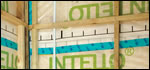
Air-tightness is a key factor in any low energy build, but is often overlooked in comparison to energy sources and insulation. Lenny Antonelli examines how air-tightness is achieved in buildings, from design stage down to the final sealing