From the Construct Ireland archives


Welcome to the archive of Construct Ireland, the award-winning Irish green building magazine which spawned Passive House Plus. The feature articles in these archives span from 2003 to 2011, including case studies on hundreds of Irish sustainable buildings and dozens of investigative pieces on everything from green design and building methods, to the economic arguments for low energy construction. While these articles appeared in an Irish publication, the vast majority of the content is relevant to our new audience in the UK and further afield. That said, readers from some regions should take care when reading some of the design advice - lots of south facing glazing in New Zealand may not be the wisest choice, for instance. Dip in, and enjoy!

Health in the home

Whether we reside permanently in an existing residence or are looking to build a new home, it is vital that we consider the well being of the occupants as well as the environment. RTE presenter Duncan Stewart stresses the importance of a healthy home.
Greening public procurement

Greening public procurement
Ireland has been waiting for a green procurement plan in the public sector for two years. Jason Walsh looks at what the plan should include and why it is needed, now more than ever, and with sustainable building at its core.

Breaking the mould - part II

The previous edition of Construct Ireland featured an article by leading green architect Joseph Little analysing the insulated dry-lined blockwork walls typical of many homes in Irish housing estates, looking particularly at moisture movement within the external walls. Continuing on from that article, Little looks at the implications of several ways of insulating houses of hollow block construction.

Natural selection

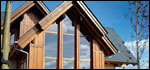
Solid timber house shows sustainable potential of wood
In the last decade timber has come to be seen one of the leading sustainable building materials, primarily through the growth of the timber frame market. Jason Walsh visited County Wexford to look at a growing use for the material – solid timber construction

International selection

International Selection
Solearth partner & Éasca board member Mike Haslam profiles five inspiring English and US projects that share a similarly considered green design approach.

Waste water woes

In light of Ireland’s poor performance in the recent European Environment Agency Report on drinking water quality, the issue of Ireland’s wastewater treatment from one off houses is poised to stay in the spotlight. Construct Ireland’s Pat Kennedy, environmental engineer, investigates.

Insulating Ireland

Insulating Ireland
The vast majority of Irish buildings are in need of substantial energy upgrade work. Given the difficult economic conditions and low public awareness of the cost, comfort and health benefits of a well-designed energy renovation, the notion of upgrading most Irish buildings is a considerable challenge. However, as Lenny Antonelli explains, new ideas are emerging that could stimulate energy upgrade work on an unprecedented scale.

Green Town

0303-greentowntitle.jpg
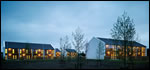
As of 2006 there is more and more talk in Ireland about the house of tomorrow and some very progressive houses have been built that go far beyond the basic legislative requirements for modern housing. Among them is Baile Glas, a development of twelve social and affordable housing units in Lombardstown, County Cork, initiated by the Blackwater Resource Development Agency and Cork County Council. Construct Ireland’s Jason Walsh finds out more.

Free Heat

As Ireland struggles to meet its commitments to reducing CO2 emissions in accordance with the Kyoto Protocol, the renewable energy sector continues to flourish as wind farms rapidly develop and solar energy becomes increasingly viable

Sustainable Cement

The cement industry is well known as being amongst the worst culprits for emitting CO2, a seemingly unavoidable side effect of its production. However, as Peter Seymour, Business Development Manager with Ecocem Ireland Ltd explains, there is a strong, eco-friendly competitive alternative to Portland cement that is being specified in a variety of high profile construction projects in Ireland.