New BER takes effect while ZEB details remain unclear
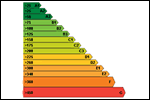
Ireland's Building Energy Rating system has moved to a simplified eight band scale, with a new A0 rating at the top reserved for zero emission buildings (ZEBs).

Ireland's Building Energy Rating system has moved to a simplified eight band scale, with a new A0 rating at the top reserved for zero emission buildings (ZEBs).
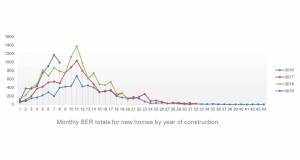
Significantly more new homes (16.5%) were built in Ireland in the first eight months of 2019 compared to the same period in 2018 – with double digit declines in Dublin cancelled out by strong growth in the rest of the country, new analysis by Passive House Plus indicates.
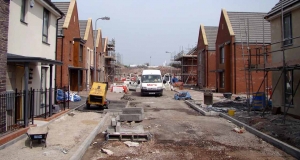
In excess of 12,000 homes may have been built in Ireland last year, new analysis by Passive House Plus has revealed – with a marginal decline in energy performance evident as housing activity increases.


All new buildings in south-east Dublin must be built to the passive house standard or demonstrably equivalent levels, in a move that may lead to the construction of upwards of 20,000 passive houses by 2022.
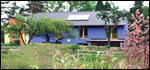
Built in 2004, Tomás O’Leary's house in Wicklow was the first in the country to be certified by the Passive House Institute — but how would it fare when subjected to a BER assessment six years later?

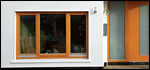
Much of the housing built around Dublin over the last forty years has been built of single-leaf nine-inch hollow block construction – which are both notoriously energy inefficient and extremely difficult to insulate effectively without causing damp problems. Lenny Antonelli visited a hollow block house which has been ecologically renovated to protect occupant health whilst shooting to the top of the energy rating scale.
Energy Minister Eamon Ryan recently announced a e9 million fund to be administered by SEI for sustainable housing including, crucially, micro-generation of renewable electricity. Jason Walsh talked to SEI and industry figures to examine the scheme’s future.